
Trust is essential in search engine optimization. Google favours credible websites, and backlinks serve as important trust indicators. A link from Wikipedia is a significant endorsement for your SEO efforts.
Wikipedia backlinks are not limited to large corporations. Earning a link depends on providing meaningful, valuable contributions. By offering genuine value, you can secure a high-quality backlink and strengthen your digital presence.👑✨
This guide will show you how to earn Wikipedia links the right way. You’ll find out why these links matter, what Wikipedia values, and how to build authority by following its mission. These steps can help you build a trustworthy online brand.
Why a Wikipedia Link is a Unique SEO Asset | Powered by Link Insertion 💡
Wikipedia backlinks use “nofollow,” which may limit their direct search value. However, they provide significant secondary benefits that make them valuable to SEO professionals.
Unmatched Credibility and Trust Signals🛡️
Wikipedia is a highly authoritative website, maintained by volunteer editors who ensure neutrality and accuracy. A citation from Wikipedia signals trust to search engines, indicating your content is reliable and recognized. This can positively influence Google’s perception of your site.
A Source of High-Value Referral Traffic📈
Wikipedia visitors look for reliable information. Users who follow citations to your site are typically engaged and interested in deeper knowledge. This results in qualified traffic, stronger engagement, and higher conversion potential, all of which can support your search rankings.
The “Link Ripple” Effect🌊
A Wikipedia citation can generate a ripple effect. Many content creators use Wikipedia as a research source. If your site is cited, others may link to it, resulting in additional natural, high-quality backlinks without active outreach.
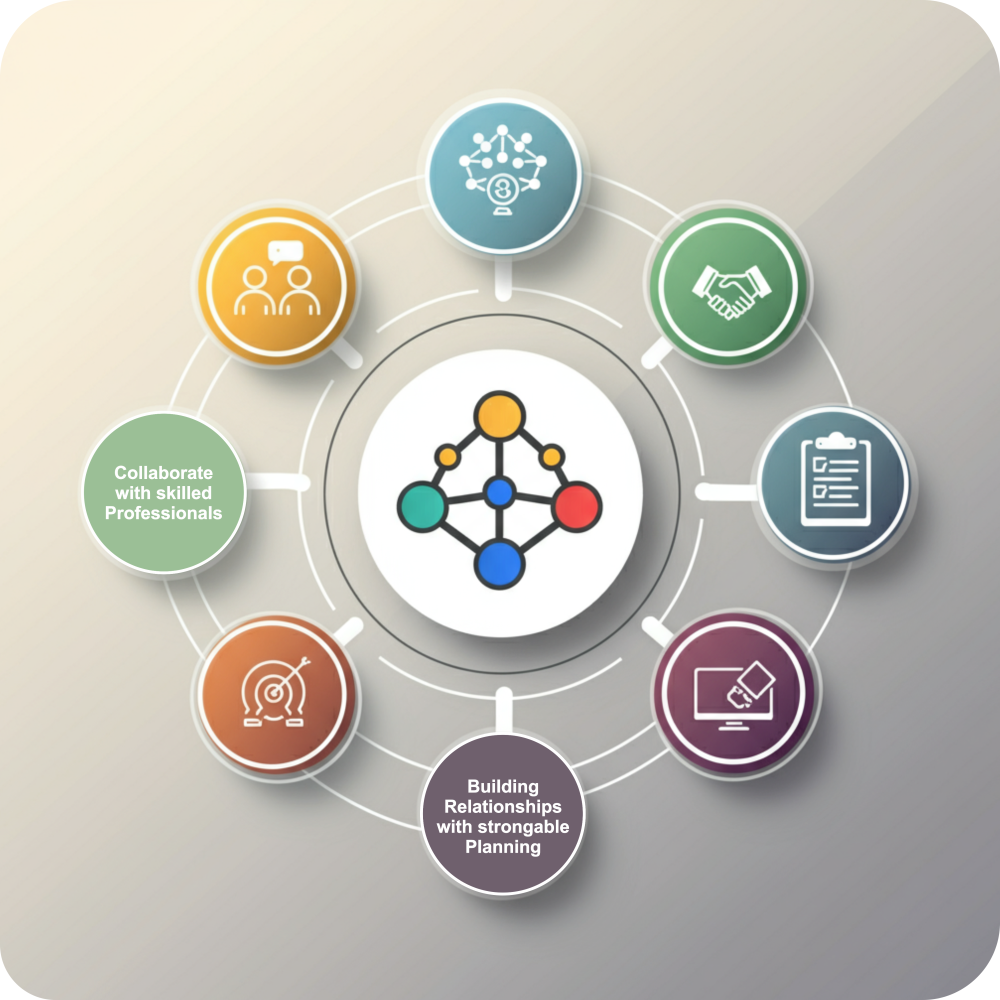
The Guiding Principles: Thinking Like a Wikipedia🧠
Before adding a link, understand and respect Wikipedia’s culture. Wikipedia is a collaborative encyclopedia, not a platform for marketing or business listings. Every edit should comply with its core policies.
1. Neutral Point of View (NPOV)⚖️
Neutrality serves as a cornerstone of Wikipedia’s editorial integrity. Contributions should be strictly impartial, employing objective language and eschewing promotional undertones. Advertising or advocacy is swiftly identified and removed. Consult the NPOV policy for further clarity.
2. Verifiability, Not Truth✅
Wikipedia upholds verifiability as its chief criterion for inclusion. All assertions must be traceable to reputable, published sources. Thus, if your content is rooted in empirical evidence and supports a particular claim, it is appropriate for citation. Refer to Wikipedia:Verifiability for comprehensive guidance.
3. No Original Research (NOR)📚
Wikipedia is not for publishing new ideas or arguments. It summarizes published information from reliable sources. Your content should reference established knowledge. In-depth guides, data-driven studies, and historical analysis are citable assets Wikipedia:No original research.
Adopting these standards shifts the focus from link acquisition to meaningful article improvement. This approach, consistent with Wikipedia’s values, is recognized as a sustainable strategy by experienced contributors.
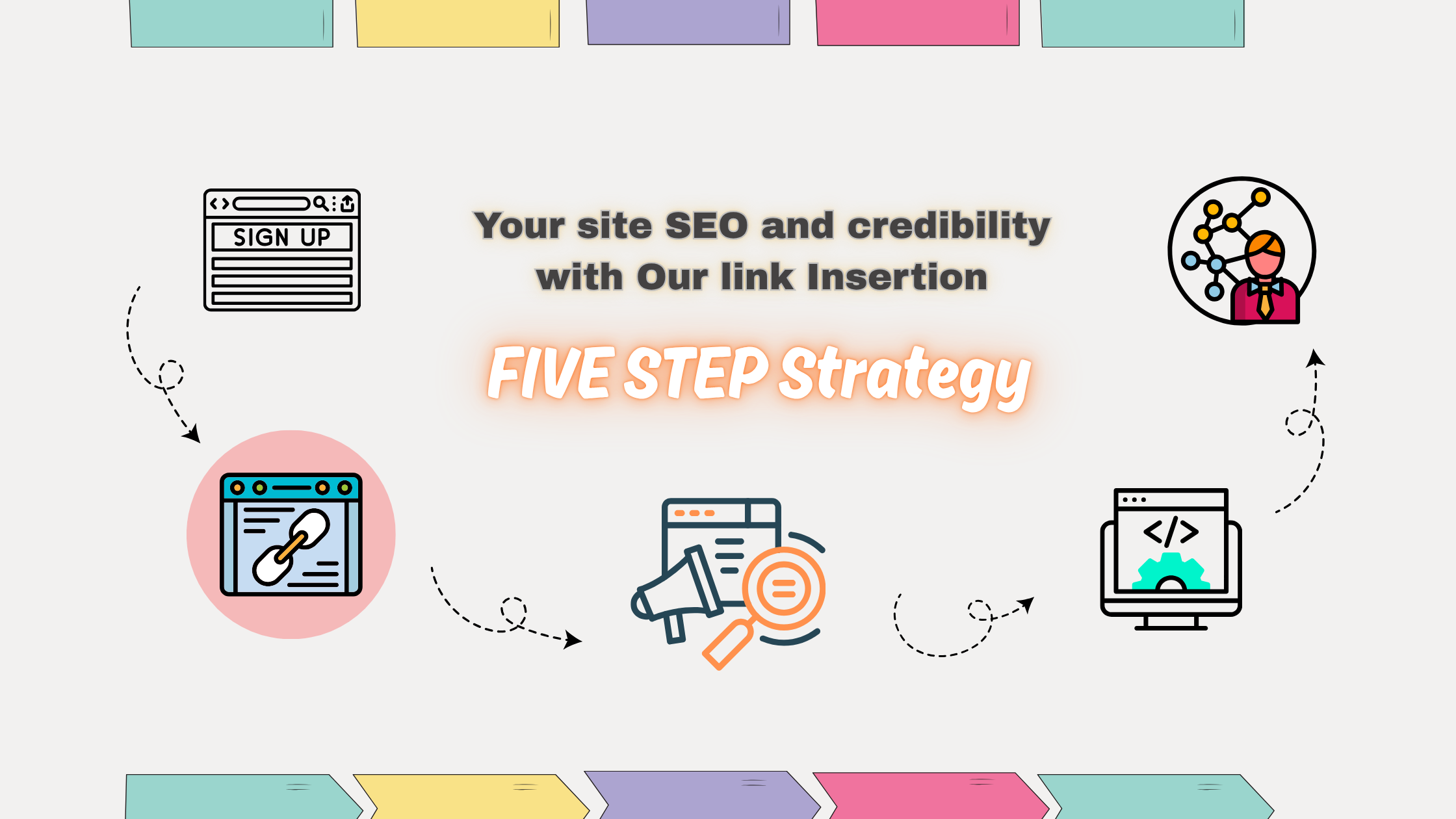
5 Steps to Build Wikipedia Backlinks 🛠️
Building Wikipedia backlinks requires a strategic and patient approach. The community prioritizes valuable contributions over self-promotion. Follow these steps to earn lasting links.
Step 1: Set Up Your Wikipedia Account👤
Create a Wikipedia account. While anonymous edits are allowed, having an account enables you to track your contributions, communicate with editors, and establish credibility.
- To create your account, visit the Wikipedia homepage and select “Create account.” Choose a neutral username and avoid using brand names.
- Confirm your email address to allow editors to contact you regarding your edits.📧
- Familiarize yourself with Wikipedia’s guidelines, particularly the Neutral Point of View and Verifiability policies.
- Use your Sandbox to practice editing before making changes to live articles.
Before adding links, make minor, constructive edits to build credibility. Correct typos or add references from reliable sources. For guidance, review Wikipedia’s introduction for editors.
Step 2: Many Wikipedia entries contain dead links, which negatively impact the user experience🔗
You can find these opportunities using a simple Google search operator:site:en.wikipedia.org "dead link" [your keyword]
Replace [your keyword] with a term in your niche. This search highlights articles that require updated sources. For example, the fitness industry might use site:en.wikipedia.org "dead link" "exercise science".
For more information, see Backlinko’s guide to broken link building. (Backlinko’s Guide to Broken Link Building, n.d.)
Step 3: Find Articles That Need Citations📝
Find opportunities where articles request citations. Editors add “citation needed” tags for unsubstantiated claims.
Use this search operator to find them:
site:en.wikipedia.org “citation needed” [your keyword]
This identifies pages that require factual support, which your content can provide. For example, a digital marketing agency might search site:en.wikipedia.org “citation needed” “social media marketing” to identify research gaps. See SEMrush’s citation tips for more. (Handley et al., 2024)
Step 4: Verify the Original Link and Create Better Content⭐
Your content must be informational, not promotional. Use white papers, studies, or comprehensive guides. Avoid opinion or branded material. See Moz’s guide for stronger resources. (Link Building – Moz, n.d.)
Your content must be informational, not promotional. Think white papers, data-driven studies, or comprehensive guides. Avoid opinion pieces or content that is heavily branded. To strengthen your resources, check out Moz’s guide to linkable assets. (What Are Linkable Assets? – Moz, n.d.)

Step 5: Add Your Link Correctly✍️
When your content is ready, edit the page.
- Navigate to the Wikipedia article and click the “Edit” tab.
- Find the sentence with the dead link or “citation needed” tag.
- Place your cursor at the sentence’s end and click “Cite.”
- Paste your URL, and Wikipedia will format the citation.
- Click “Insert.”
- In the “Edit summary” box at the bottom, briefly explain your change (e.g., “Replaced dead link with updated resource” or “Added citation for claim”).
- Click “Publish changes.”
After you submit, monitor the page using your Watchlist. If your edit is reverted, don’t re-add it. Instead, go to the article’s Talk page to discuss the change with the editor who removed it.
A Strategy of Contribution, Not Conquest🤝
Earning Wikipedia backlinks is a long-term investment in quality, credibility, and community engagement. Success requires shifting from a marketing mindset to an educational one. Focus first on what you can contribute to Wikipedia. By creating high-quality, citation-worthy content and engaging respectfully with the community, you can earn a valuable endorsement. This ethical approach aligns with Wikipedia’s mission and helps build a strong, authoritative digital presence for your brand.
🚀 Want your brand mentioned on high-authority sites? Let’s make it happen with our Wikipedia Backlink Services! Let’s connect today. 📞
Frequently Asked Questions !
1. Are Wikipedia backlinks still valuable if they are “nofollow”?
Yes. While they don’t pass direct SEO authority (PageRank), they provide immense value through high-quality referral traffic, enhanced brand credibility, and the potential to generate other natural backlinks.
2. How long does it take to get a Wikipedia backlink?
The process can take anywhere from a few hours to several weeks. It depends on finding the right opportunity, having high-quality content ready, and having your edit approved by the community. Patience is key.
3. What is the biggest mistake people make when trying to get a Wikipedia link?
The most common mistake is being overly promotional. Wikipedia is not a marketing channel. Any edit that appears self-serving, biased, or advertorial will almost certainly be removed.
4. Can I hire a service to get Wikipedia backlinks for me?
You can, but be extremely cautious. Many services use unethical tactics that can get your website blacklisted from Wikipedia. If you use a service, ensure they follow Wikipedia’s strict guidelines on paid editing and transparency.
5. What should I do if my link is removed?
Do not add it back immediately. Go to the article’s “Talk” page to understand why it was removed and discuss your edit with the community. A respectful, collaborative approach is the only way to resolve disputes.
6. Is it better to edit an existing page or create a new one?
For beginners, it is far easier to edit an existing page. Creating a new page requires the subject to meet Wikipedia’s strict “notability” guidelines, which means it must already be covered in multiple independent, reliable sources.